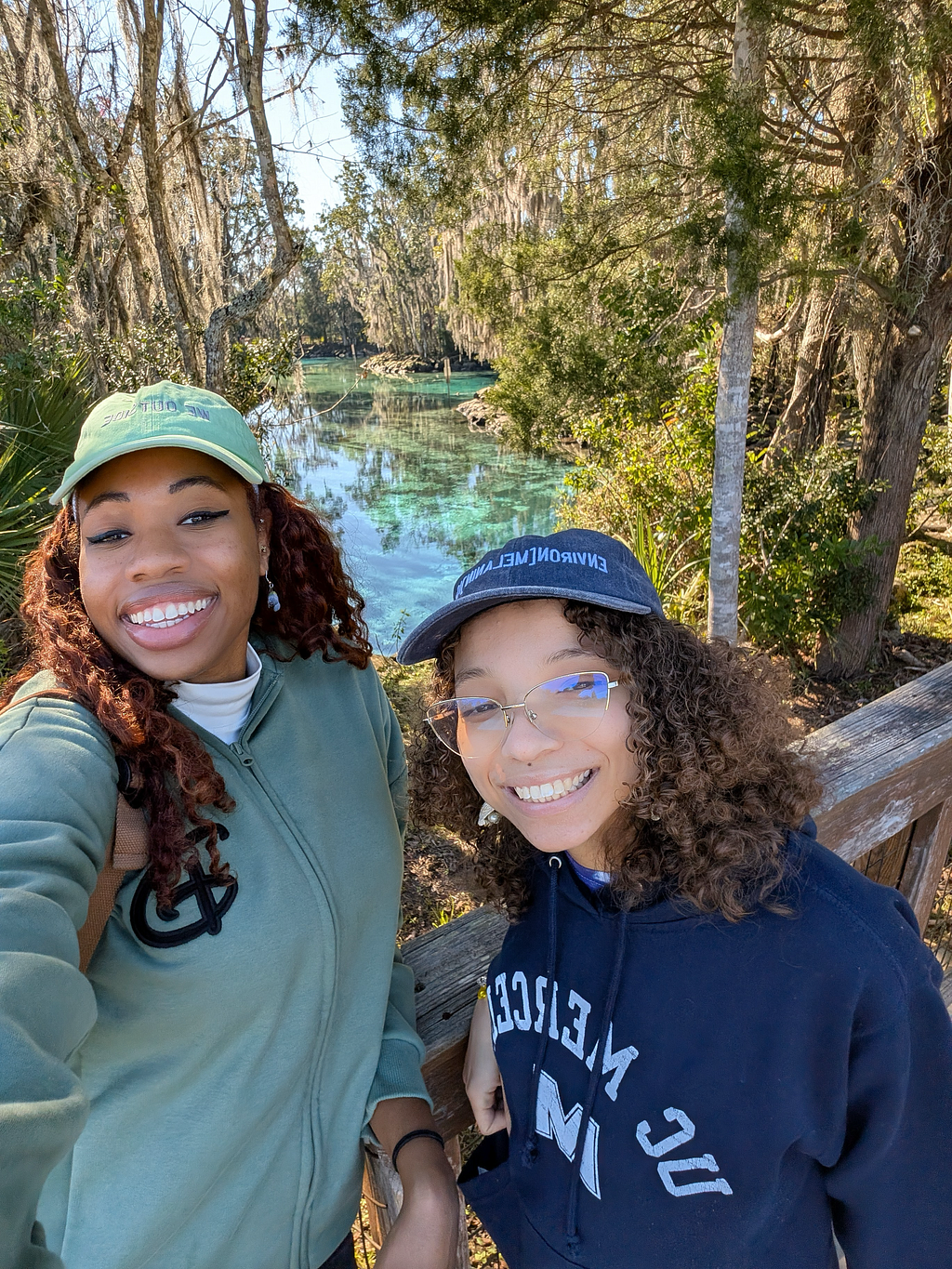
Two educated, melanated conservationists (Enivron-melanin-ists) sharing their love of science and conservation through education and exploration of the outside world.
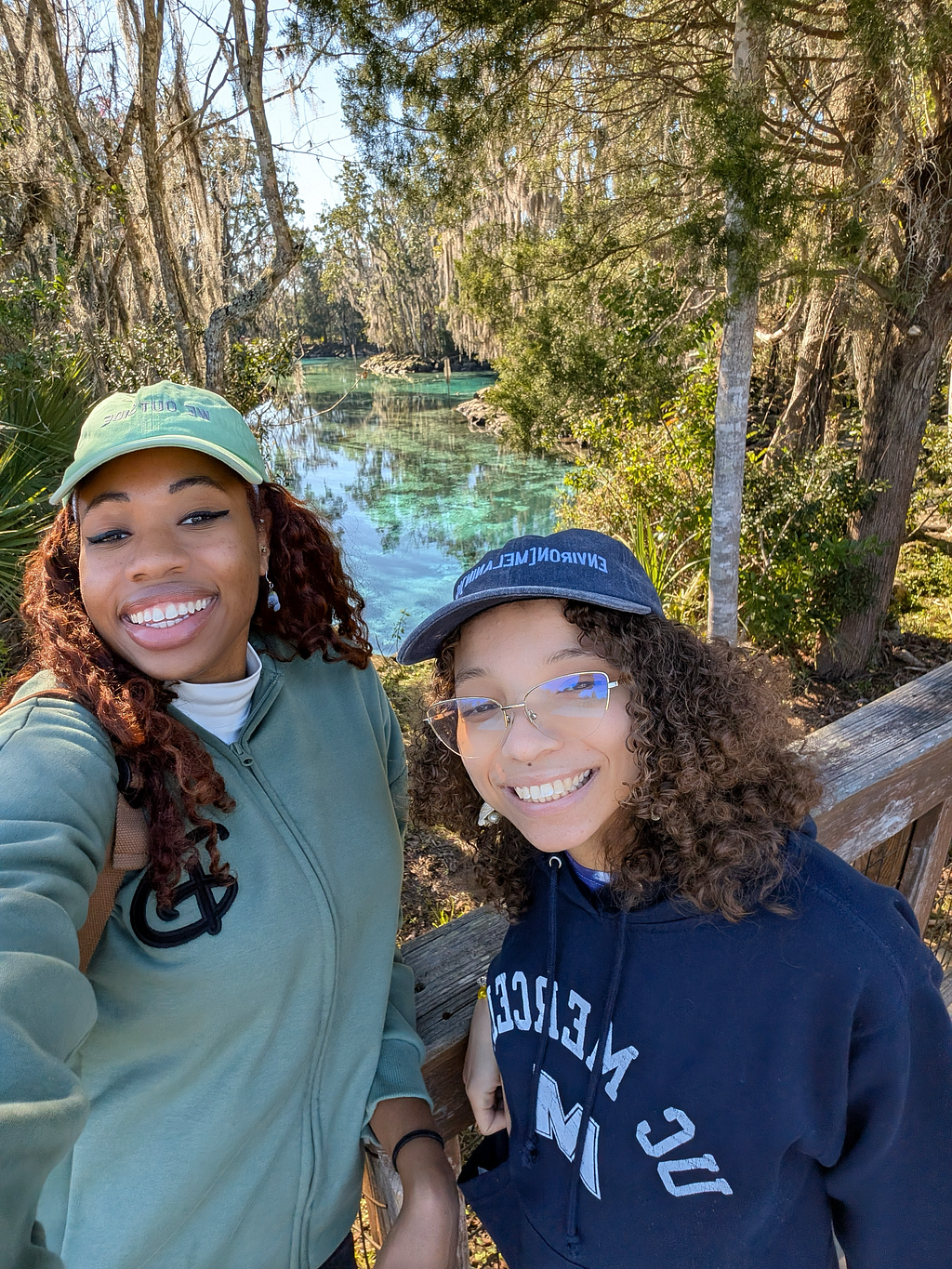
This week’s Community Feature (formerly part of our #WomanCrushWednesday in STEM or #WCWinSTEM campaign) highlights Raven Harrison and MJ Estwick, two conservation scientists who founded Black Girls Wild and share a commitment to protecting the natural world while reshaping who feels they belong in STEM. As Black women and self-described environmelaninists, they use Black Girls Wild as a platform to highlight BIPOC voices in conservation, connect marginalized communities with nature, and challenge long‑standing barriers to access and representation in STEM. Raven and MJ strive to inspire the next generation of scientists by showing up authentically, fostering joy and collaboration, and proving that every voice, perspective, and passion is essential to the future of conservation.
Responses may be edited for clarity and brevity.
Where did you go to school?
Raven Harrison, B.S.
- Florida Southern College (B.S. Marine Biology and Biotechnology)
MJ Estwick, B.S.
- North Carolina State University (B.S. Zoology, Minors in Marine Biology and Environmental Science)
What do you do right now?
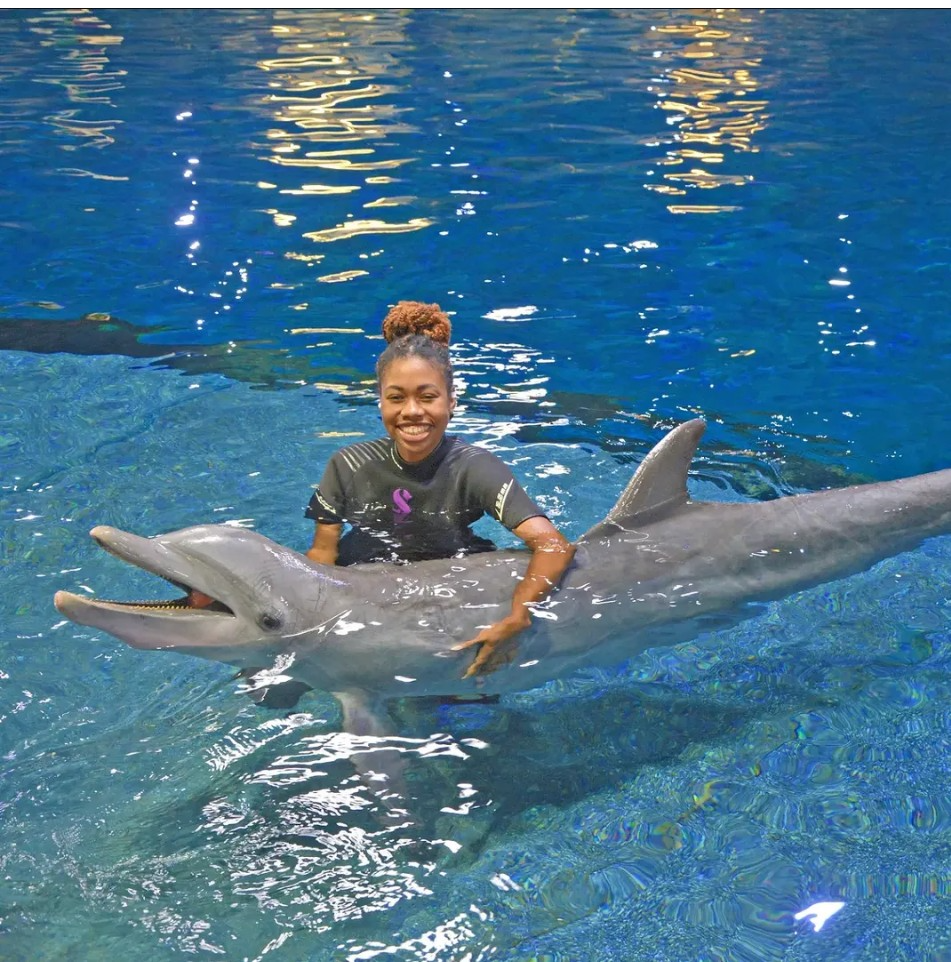
In our 9-to-5’s, you can find us everywhere, from in the lab running experiments to assess hormone levels to in the field releasing rehabilitated animals.
We use these experiences as BIPOC and women in conservation to highlight what it looks like to be an environmelaninist. We use our social media platforms to connect people with the world around them, showcase fellow minorities in science, and encourage people of marginalized groups to feel comfortable taking up space in STEM.
We aim to inspire the next generation of conservationists and scientists to feel empowered to make a difference.
What’s your favorite aspect of your current role?
Inspiring future change-makers, connecting with young scientists who look like us, and being the representation we didn’t know we needed growing up — that’s what makes all of this worthwhile.
When someone says they want to share our content with a daughter or nephew who loves the ocean or insects, it’s a powerful reminder of the impact we have. It reminds us of the numerous ways we can make a difference, especially when we have the oppurtunity to highlight and collaborate with other conservationists and organizations that share our passion. From women-owned sustainable clothing businesses to other POC conservationists, our work has shown us just how large our community is.
This field needs every voice, every idea, and every perspective; and we owe it to ourselves and future generations to show up.
What made you choose your STEM discipline in the first place?
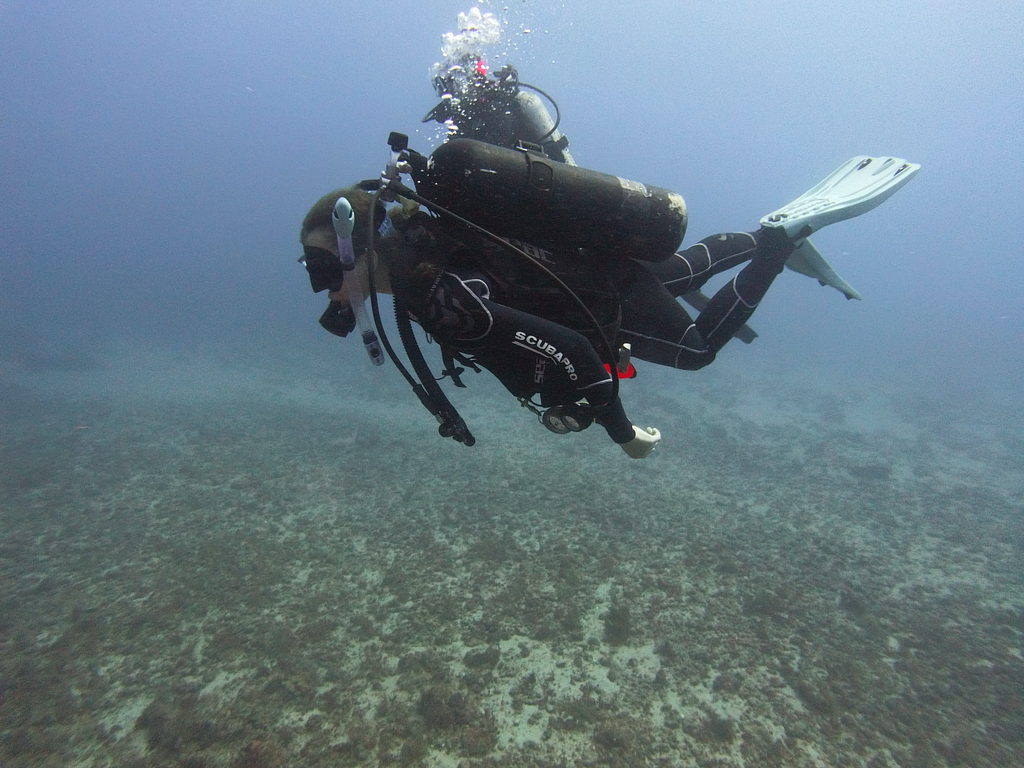
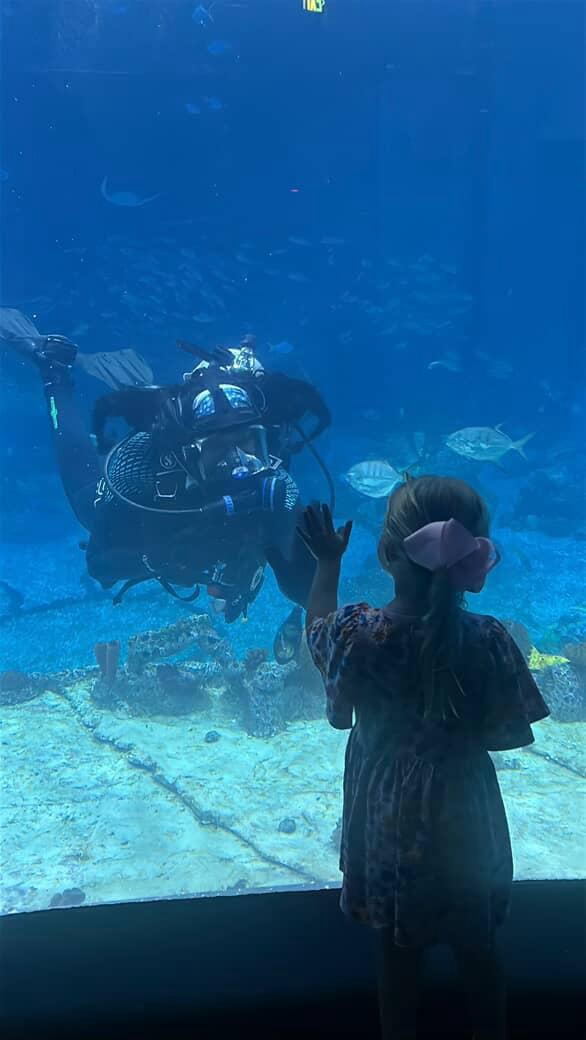
Annual family trips to the zoo and aquarium turned into careers at zoos and aquariums.
We got our start through a conservation education internship, where we taught others about protecting the environment — and by the end, our cohort had reached over 1 million people.
Conservation education is about learning how to care for and protect the natural world — things like oceans, wildlife, insects, and ecosystems. The goal is to help people understand why nature matters and how their actions can make a difference.
Working in education at some of the world’s most visited zoos made us realize how much representation matters. It sparked a deep sense of responsibility to extend our impact outside of our jobs and be intentional about how we show up in the conservation field.
What piece of work are you most proud of (publication, presentation, project, etc.)?
Presentations and projects have given us a direct connection to the communities we are trying to reach, and we’re so proud of the opportunities we’ve been granted to make an impact.
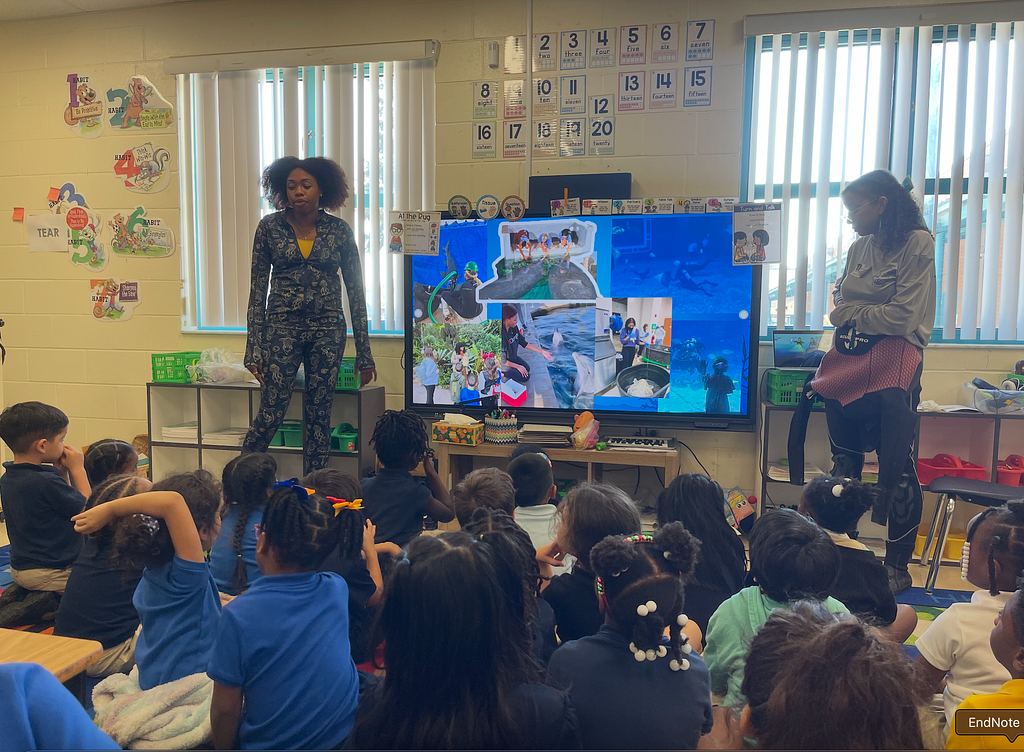
The first time we were invited to speak at a school, we were connected with predominantly Black and Brown students. Watching them actively engage and get excited about our work to protect our planet was a full circle moment. We didn’t get to see Black Marine Biologists, Black Conservationists or anything in between — so being able to fill that gap ourselves has been an incredible honor. During Black History Month, we initiated a collaboration on social media with other POC scientists in conservation to inspire and highlight the many different ways Black people work in conservation. What began as a project to inspire others turned into something deeply meaningful, bringing us back to when we were young students trying to find where we belonged in STEM. Through this project, we found community and strength amongst other Black environmelaninist.
https://medium.com/media/0715829104e3405378b1ee05d32bac8e/href
What’s one piece of advice you wish you had when you started your STEM journey?
“You can’t take it all on, and it’s not your responsibility alone to fix the world. If you can convince just a few people to care and protect our earth, that is more than enough.”
Oftentimes, we get caught up in the views and analytics of our page, and it’s easy to overlook the fact that even just 10 views are more than enough. Ten views mean 10 people learned more about conserving the Earth, 10 people we potentially inspired to be passionate about conservation and science, and 10 people who may go on to inspire 10 others to protect the planet we all share. It’s important that we don’t overlook the impact a single person can have.
How did you find support within your institution or field?
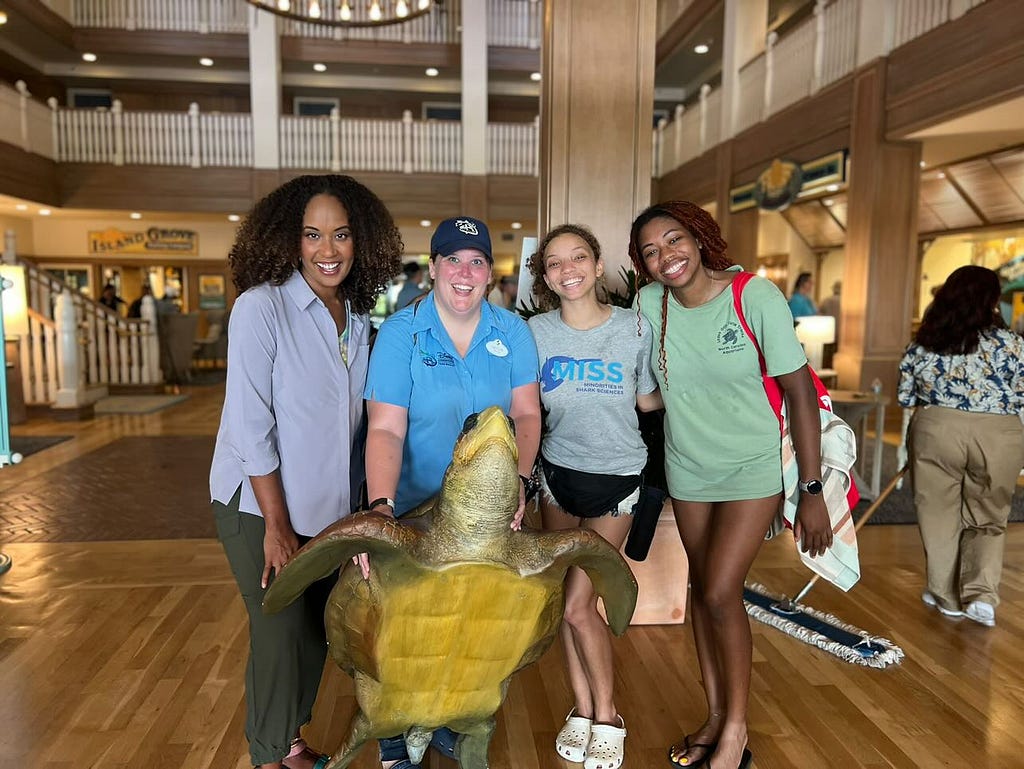
Leaning on our community has been our saving grace. Minorities in Shark Science, Black Women in Ecology, Evolution and Marine Science, Minorities in Aquariums and Zoos, and Black in Marine Science are all amazing organizations of like-minded people, ready to uplift and support others. We also find support beyond formal organizations, within our friends and family. They all help lift us up and keep us going when we need it.
What do you think the field can do to make STEM more equitable?
In our field, unpaid internships are more common than not; in some cases, you even have to pay to play. These experiences, while great, being blocked behind a paywall can be very discouraging and further cement people’s idea that they don’t or can’t belong in this space. Growing up in nontraditional families meant our financial realities often differed in ways others couldn’t see. At the same time, being the only Black person in many spaces made our differences visible. Together, these invisible and visible barriers can feel impossible to overcome — and can discourage people from entering spaces where they are deeply needed.
What else are you passionate about?
We love to dance! Exploring new ways to move and connecting with new communities has been so uplifting.
Are there other axes of identity that impact your life/STEM experience that you’d like to speak to (e.g. your religion, ability status, neurodiversity, etc.)? How do these additional axes of identity impact you as a woman/non-binary of color in STEM?
As two Black women, we’ve faced the stigma that engaging with nature is seen as a ‘white’ activity. As women of color, we’ve also encountered stigma around neurodiversity within our communities. As a result, our symptoms and experiences were often criticized or dismissed, leaving us without the resources and support needed to navigate our neurodivergence and career paths. This lack of support led to burnout and deepened feelings that we didn’t belong in this field.
Receiving proper diagnoses has helped us understand that our challenges aren’t moral failings, but rather reflect intrinsic differences in how our brains function. It has also allowed us to access resources and develop skills better suited to how we think, easing many of the feelings we carried before.
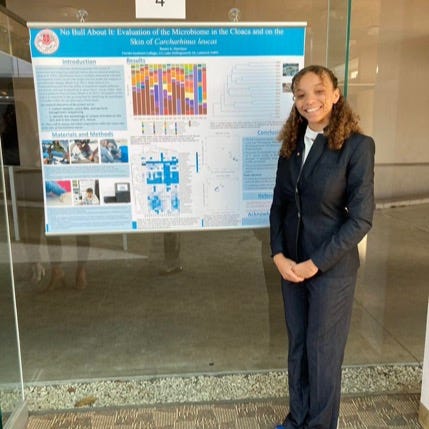
In addition to that, we continue to persevere and succeed within our respective fields, despite what others perceive as our limitations. We continue to strive to overturn previous ways of thinking within our community so that we can help people in similar positions recognize that they may have different needs than those around them.
Are there any LGBTQIA+ folx in STEM who have inspired or influenced you?
Pattie Gonia, the drag queen climate activist, has been a really big inspiration for us. The energy they bring to climate activism is much-needed in the community. Their use of art in advocacy brings a sense of joy, and is a perfect counterbalance to climate doomism, which is so prevalent. Despite the separation we’re seeing between STEM and the arts, they are symbiotically connected. We hope to showcase that connection and bring our own joy to our page and climate action in the future.
You can find Black Girls Wild on Instagram (Black_girls_wild), TikTok (Black_girls_wild), and Facebook (Black Girls Wild).
Thank you, Raven and MJ, for allowing us to share your story! We’re honored to have you in our VanguardSTEM Village!
If you enjoy our weekly Community features, consider donating to our parent not-for-profit, Mo-saiq LLC, to help support this work.
Community Features: Black Girls Wild— Raven Harrison, B.S. and MJ Estwick, B.S. (she/her) was originally published in VanguardSTEM Conversations on Medium, where people are continuing the conversation by highlighting and responding to this story.