
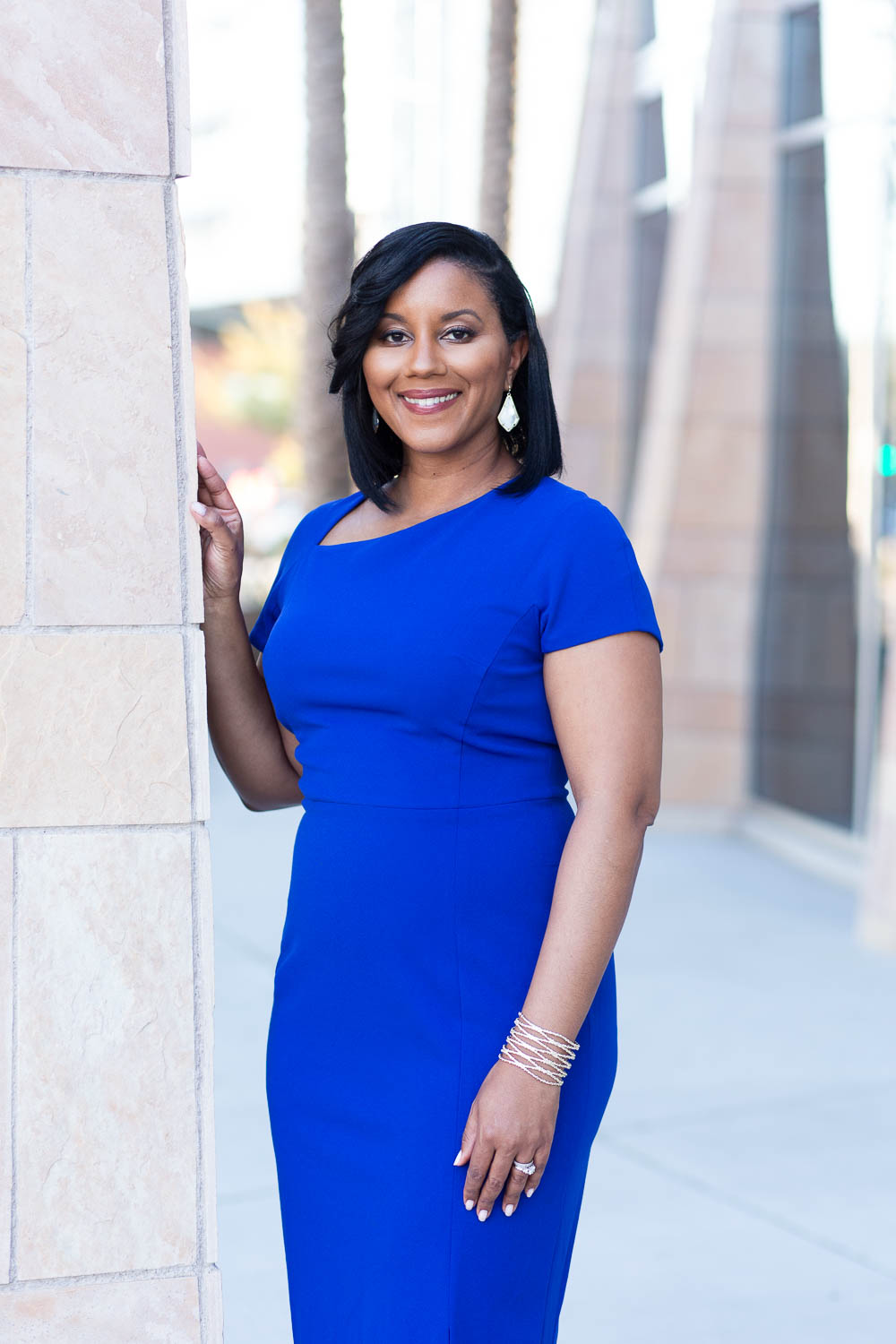
A tireless advocate for healthcare—driven to advance patient care, mentor the next generation of physicians, and promote equity in medicine.
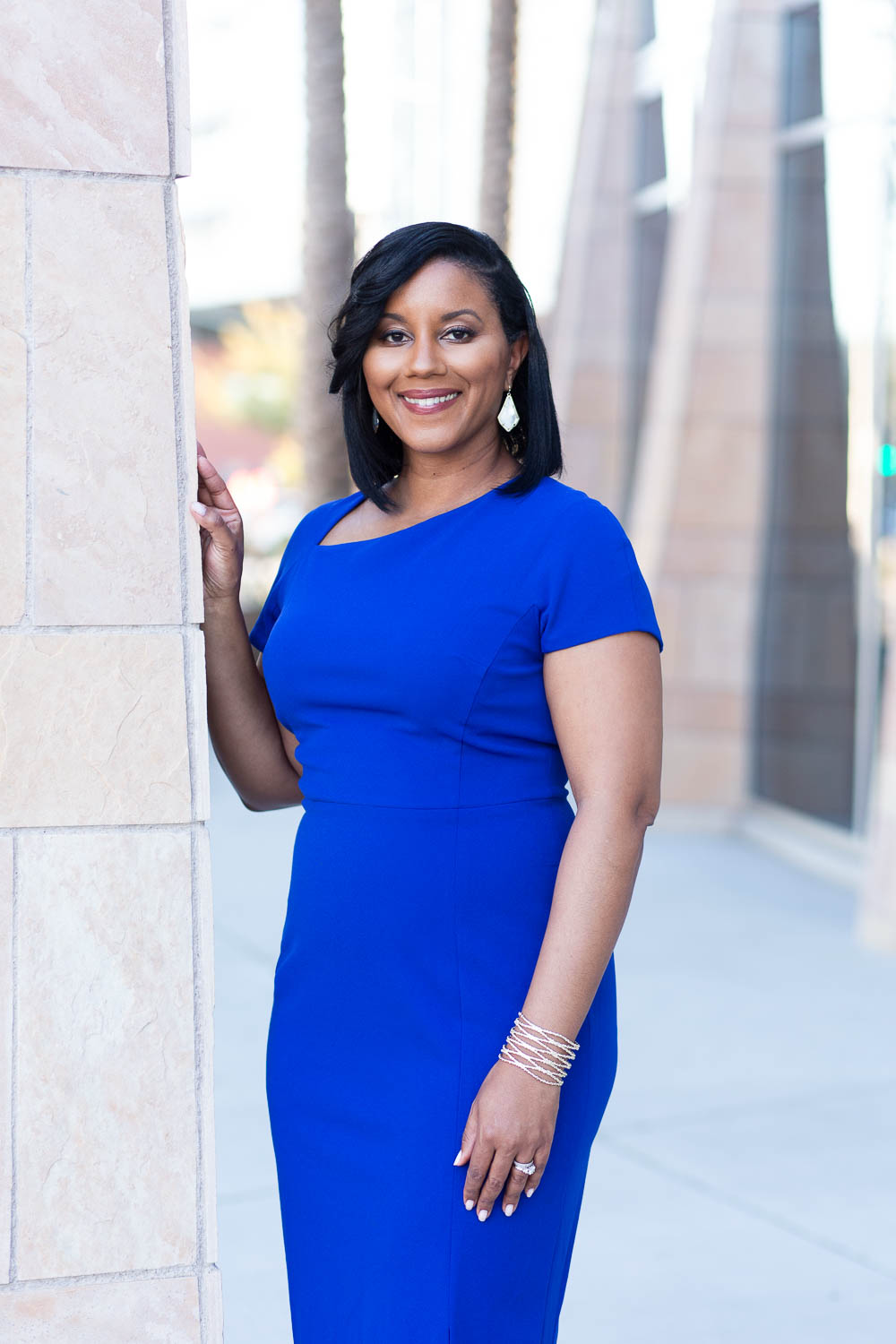
This week’s Community Feature (formerly part of our #WomanCrushWednesday in STEM or #WCWinSTEM campaign) highlights Dr. Alyx Porter-Umphrey, a physician whose work as a neuro-oncologist at Mayo Clinic complements her deep passion for transforming the future of medicine — advancing patient care, strengthening diversity in clinical research, and empowering the next generation of physician leaders. Rooted in her strong sense of community, commitment to mentorship, and dedication to equity in STEM, Dr. Porter-Umphrey strives to uplift others through her clinical work, leadership, and her nonprofit, ElevateMeD.
Responses may be edited for clarity and brevity.
Where did you go to school?
- Mayo Clinic (Fellow — Neuro-Oncology)
- Mayo Clinic (Resident — Neurology)
- Temple University (M.D.)
- Spelman College (B.A. English, Minor in Biochemistry)
What do you do right now?
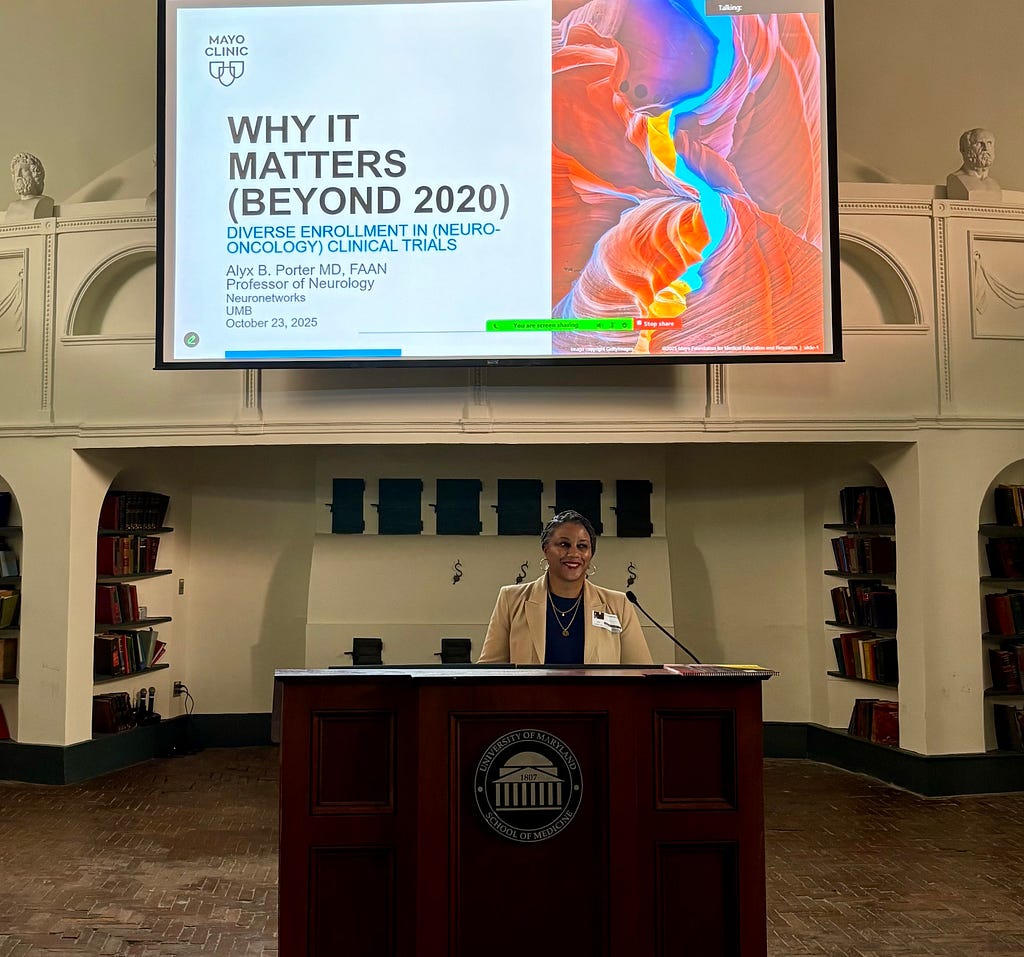
I am a Professor of Neurology and a practicing Neuro-Oncologist at Mayo Clinic. I am the Director of the Neuro-Oncology Section and the medical director of the outpatient practice at Mayo Clinic in Arizona.
A neuro-oncologist is a doctor who specializes in treating cancers that affect the brain and nervous system. Neuro-oncologists focus on things like brain tumors, spinal cord tumors, and cancers that spread to the brain.
As a professor and practicing neuro-oncologist, my favorite aspect of my work is advocating for my patients, colleagues, and the next generation of physicians.
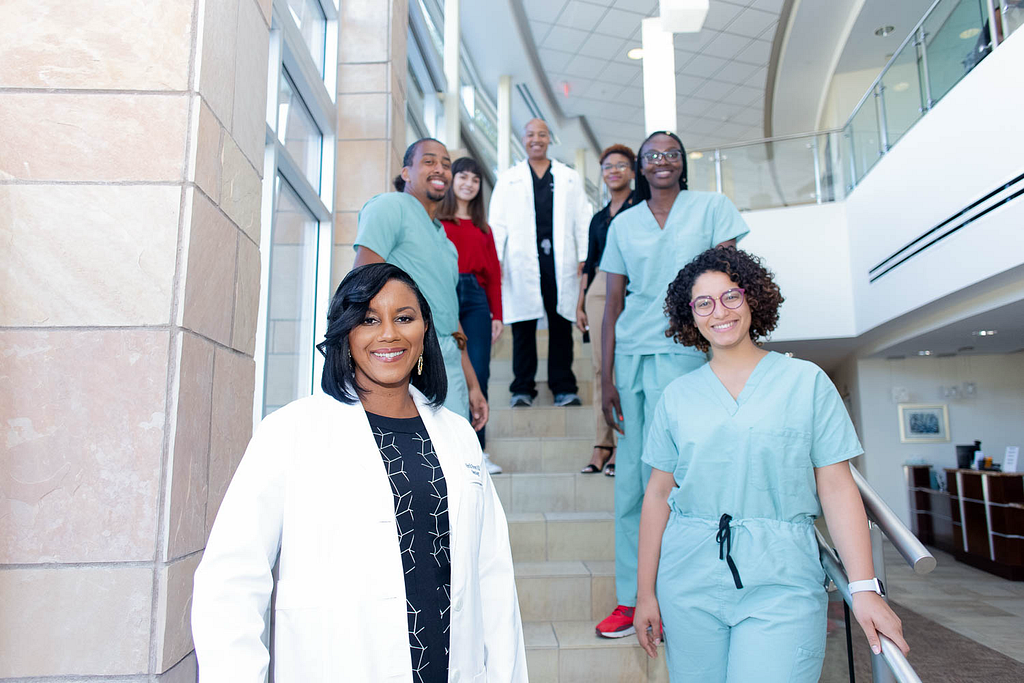
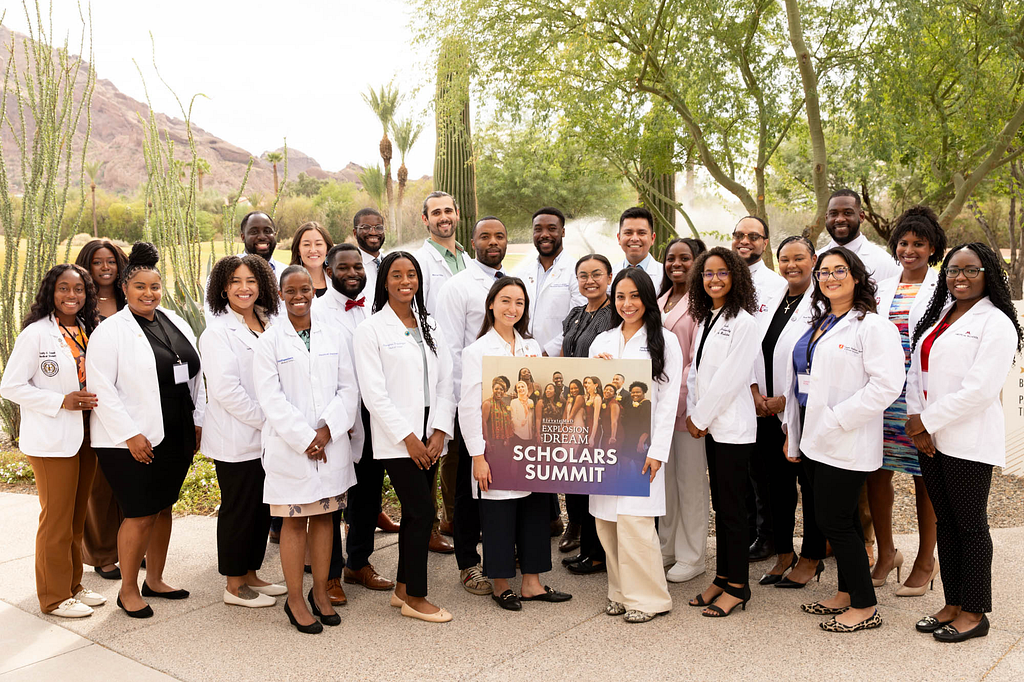
I am also the founder of ElevateMeD, a 501(c)(3) nonprofit organization, that provides scholarships and support to the next generation of physician leaders. ElevateMeD works to remove barriers that prevent talented students from pursuing careers in medicine. Through financial support, mentorship, and career development, the program equips future physicians to succeed in medical school and beyond.
ElevateMeD | Medical School Scholarships, Mentorship & Support
What made you choose your STEM discipline in the first place?
Dr. Heathcliff Huxtable was a fictional character on Thursday night must-see TV when I was growing up, and that was the first example of a Black physician that I was ever exposed to. A seed was planted in my mind that I could do this job too, because he did. Although a fictional character, representation matters.
What piece of work are you most proud of (publication, presentation, project, etc.)?
I am most proud of the fact that the work that I have dedicated myself to is impactful and has inspired the next generation. I have had tremendous mentors and colleagues who have leaned into my career to help me accomplish the work that inspires future generations.
I’m very proud of this research study because it brought together top experts in neuro-oncology from across the country. Collaborating with such leaders on this important consensus paper has been a real highlight of my career.

I’m also very proud of the first clinical trial I led, which became the largest study on quality of life for patients with high-grade glioma, a fast-growing and aggressive form of brain cancer. Even though the clinical trial didn’t have the results we hoped for, it taught me valuable lessons about conducting research, building a national network, and the importance of resilience in science.
As a mentor once told me, “It’s important that we learn what not to do..”
This research study helped with that knowledge.
What’s one piece of advice you wish you had when you started your STEM journey?
I wish someone had told me that success is not linear.
I was well aware that there would be times when I might stand alone, either as a first or only. I was prepared for times when I would be separated from the crowd because of my values. That never caused me fear.
The ups and downs, and the ‘no’s’ along the way, could at times be discouraging. What I wish that I knew then is that they were all leading to my eventual success, and those ‘no’s’ needed embracing rather than shame or disappointment.
How did you find support within your institution or field?
My network from Spelman College and Delta Sigma Theta Sorority, Inc., Eta Kappa Chapter, has been an unwavering source of support and inspiration in my life. They are equal parts hype squad and recovery zone.
I am also inspired by the young people I am introduced to through the work I do with @ElevateMeDInc, and they reignite the passion in me when it starts to fade.
I have had so many folks along the way that have stepped in to mentor me, formally and informally, and their wisdom has played a huge part in my success.
What do you think the field can do to make STEM more equitable?
Pathway programs are wonderful, but they can’t stop once we’ve entered graduate school. We have to remain equally intentional about support as junior faculty in order to ensure that we see the success of our colleagues who will become mentors and proponents.
What else are you passionate about?
I am passionate about the physician workforce of the future. That’s why I started ElevateMeD. That’s probably not what you wanted to know, though. I am extremely passionate about good food, quality time with my friends and family, and crystal-clear blue water.
You can find Dr. Alyx Porter-Umphrey on Instagram (dralyxporterumphrey) and X (PorterAlyx).
Thank you, Dr. Alyx, for allowing us to share your story! We’re honored to have you in our VanguardSTEM Village!
If you enjoy our weekly Community features, consider donating to our parent not-for-profit, Mo-saiq LLC, to help support this work.
Community Features: Alyx Porter-Umphrey, M.D. (she/her) was originally published in VanguardSTEM Conversations on Medium, where people are continuing the conversation by highlighting and responding to this story.