A chemist redefining STEM through forensic science, fearless teaching, and a joyful push for accessible, inclusive science.
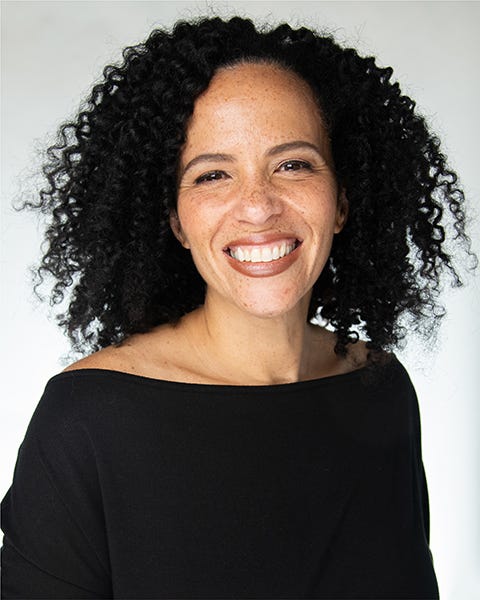
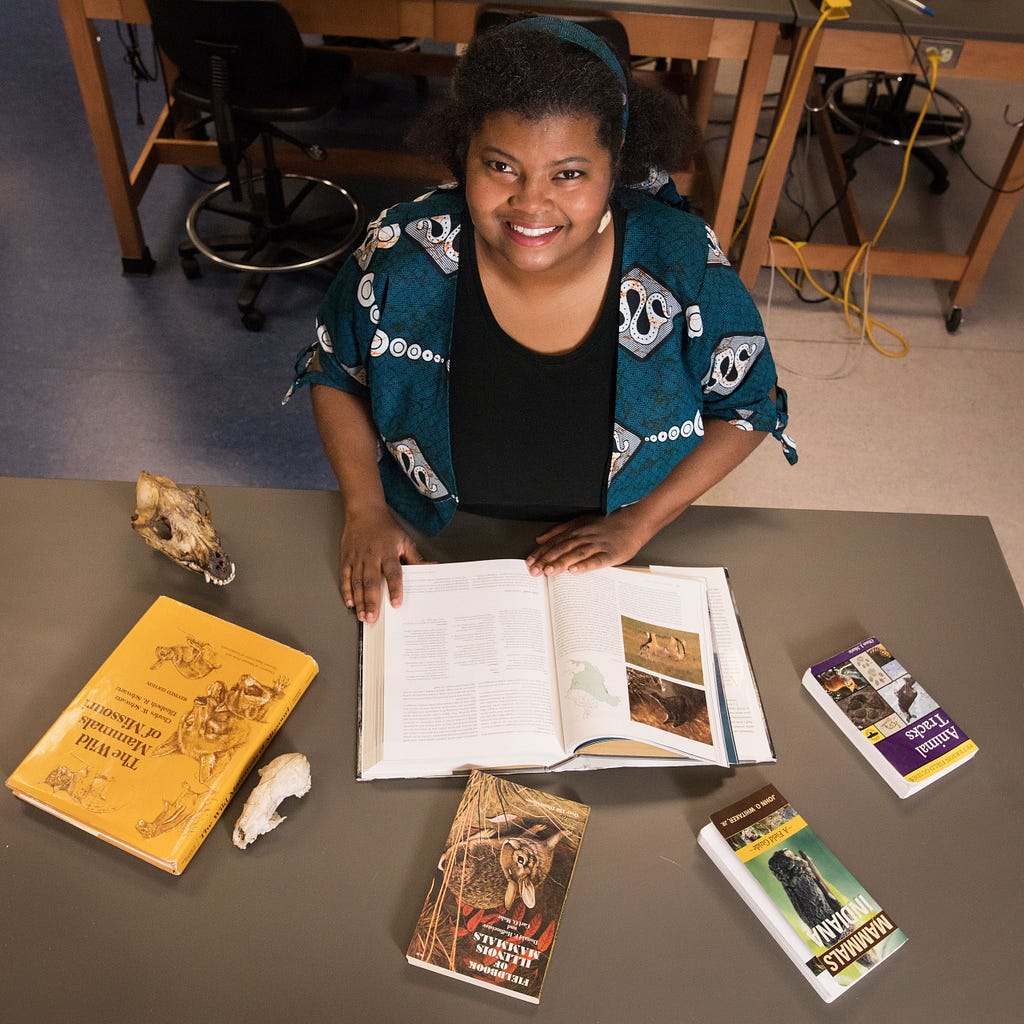
This week’s Community Feature (formerly our #WCWinSTEM campaign) is Dr. Raychelle Burks, a chemist, educator, and science communicator whose work bridges forensic science, pop culture, and public engagement. We asked Dr. Burks to reflect on her journey, her passions, and the importance of representation in STEM. Her story reminds us that science isn’t just about solving problems — it’s about shifting narratives, building community, and showing up fully.
Responses may be edited for clarity and brevity. This profile has been updated based on publicly available data.
Where did you go to school?
- Doane College (Post-Doctoral Work)
- University of Nebraska–Lincoln (Ph.D., Chemistry): Thesis: “Colorimetric Sensor Arrays for Detecting Chemical Threats and Explosives”
- Nebraska Wesleyan University (M.S., Forensic Science): Thesis: “Applications of Analytical Chemistry in Forensic Investigations”
- University of Northern Iowa (B.S., Chemistry)
What do you do, and how has life changed since you were last featured?
When I was originally featured, I was an Assistant Professor of Chemistry at St. Edward’s University, now I am an Associate Professor of Analytical Chemistry at American University in Washington, D.C. I’ve moved from Austin to D.C., and while the zip code changed, the mission stayed the same: teach, research, and communicate science in ways that resonate. I write a monthly forensic science column for Chemistry World and aim to make science more accessible. Sometimes I use pop culture to explain concepts; other times I highlight technologies like portable chemical sensors — small, user-friendly tools that quickly detect hazardous chemicals in the field.
What drew you to your STEM discipline?
I was twelve when forensic science first caught my attention.
We were on a field trip, and the challenge was to solve a problem using science. That moment stuck with me. Chemistry, with its ability to identify mystery substances, felt like the key to unlocking hidden stories. That curiosity led me to work in a crime lab for two years, and it still shapes how I teach and research today.
What’s one piece of advice you wish you had at the start of your STEM journey?
Don’t underestimate the “soft skills.” Communication, collaboration, navigating bureaucracy — those things can make or break your experience.
STEM isn’t just about technical knowledge; it’s about being able to work with people, advocate for yourself, and build systems that support your work.
What do you like to do outside of work?
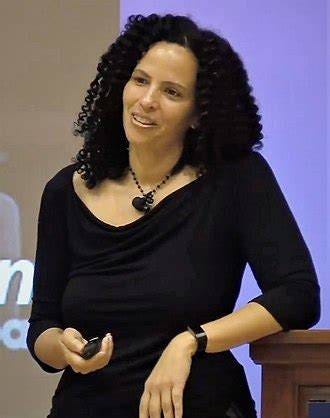
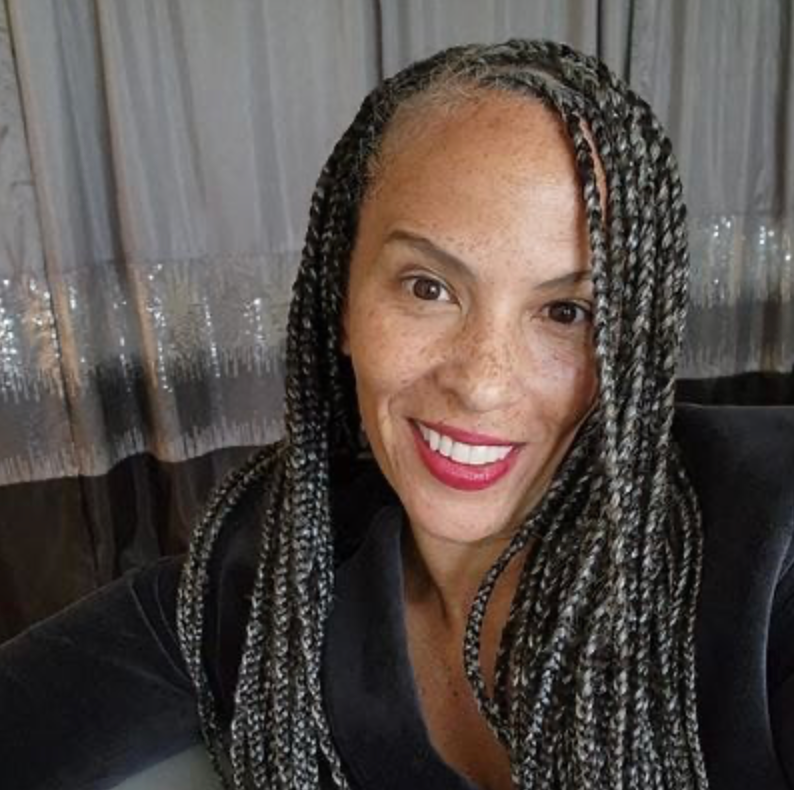
Science communication is a big part of my life. I love exploring the intersection of fandoms and chemistry — whether it’s talking about zombie survival strategies or reviewing sci-fi with the Curly Hair Mafia. I also helped launch the DIY SciZone at GeekGirlCon, which brings hands-on science to kids and families in a space that celebrates curiosity and creativity.
Why is it important to highlight women of color in STEM?
Representation matters. We want to see ourselves in our dreams.
STEM spaces have long been shaped by exclusion, and visibility is one way we push back. It’s not just about being seen — it’s about being valued, being heard, and being part of the conversation.
Do you have a woman of color in STEM shero?
Absolutely — Dr. Danielle Lee. She’s built a career that spans research, teaching, science communication, and activism. She shows up fully, and she shines. That kind of presence is powerful.
Is there anything else you’d like us to know?
I’m a co-founder of the National Science & Technology News Service. It’s a media literacy initiative that connects journalists with African American STEM professionals as expert sources in science, tech, environment, and health reporting. We’re working to make sure science stories reflect the full spectrum of voices and expertise in our communities.
You can find Dr. Burks on X (formerly Twitter): Raychelle Burks (@DrRubidium) / X and read more about her on Wikipedia.
Thank you, Dr. Burks, for allowing us to share your story! We’re honored to have you in our VanguardSTEM Village!
If you enjoy our weekly Community features, consider donating to our parent not-for-profit, The SeRCH Foundation, Inc., to help support this work.
Throwback Community Feature: Raychelle Burks, Ph.D. was originally published in VanguardSTEM Conversations on Medium, where people are continuing the conversation by highlighting and responding to this story.